Pressure Washing vs. Soft Washing: Which One is Right for You?
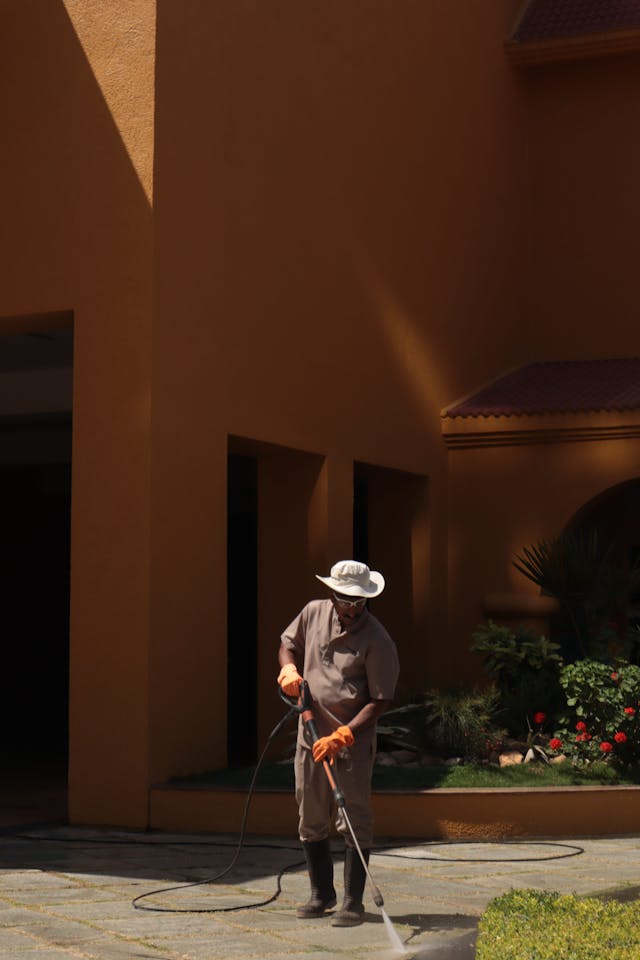
When deciding on an outdoor cleaning method, you might find yourself choosing between pressure washing and soft washing. While both techniques clean surfaces effectively, they use different methods and are suitable for various applications. Understanding these differences can help you determine which approach is best for your needs.Pressure washing involves using high-pressure water jets to remove dirt, grime, mold, and loose paint from surfaces.
This method relies on water pressure to deliver powerful cleaning, making it an ideal choice for hard surfaces like driveways, sidewalks, decks, and brick walls. The intensity effectively strips away tough stains and contaminants, ensuring an immaculate result.However, the strength of pressure washing can also pose a risk to more delicate surfaces. Applying too much pressure can damage paint, wood, or softer materials.
That’s where soft washing comes in.Soft washing employs a low-pressure water spray combined with specialized cleaning agents. It cleans surfaces by targeting the roots of algae, mold, and other contaminants, ensuring they are eradicated rather than just blasted off pressure washing in austin. This gentle method is perfect for delicate surfaces such as roof shingles, painted wood, and screens.One crucial factor in choosing between the two methods is the material being cleaned.
For instance, a concrete driveway withstands the intense pressure of power washing, while a shingle roof benefits from the gentle touch of soft washing. Using the incorrect method can lead to physical damage or ineffectively cleaned surfaces.Environmental considerations also influence the choice. Pressure washing typically uses more water because it relies on force rather than chemistry, while soft washing utilizes more cleaning agents to achieve results.
If using detergents, selecting biodegradable options is vital to minimize environmental impact.Cost may be another factor in your decision. Pressure washing is often faster, which can lower labor costs, but it may require more frequent cleaning as it doesn’t prevent regrowth of molds and mildew. Soft washing might be more expensive initially due to the need for specific chemicals, but it often provides a longer-lasting clean.
Finally, consider the desired outcome. If you need quick, surface-level cleanliness, pressure washing is efficient. For a more thorough and lasting clean, soft washing ensures surfaces remain dirt- and germ-free for an extended period.In conclusion, selecting between pressure washing and soft washing depends on several factors, including surface material, environmental impact, cost, and desired results.
For those unsure, consulting with a professional cleaning service can provide guidance tailored to your specific needs. Both methods have their advantages and ideal applications, ensuring your property remains in pristine condition while preventing unnecessary damage.
